Exploration
How I got my job: The fly-fishing guide
Meet Keith Clover, one half of the brains behind African fly-fishing travel and guiding operation, Tourette Fishing.
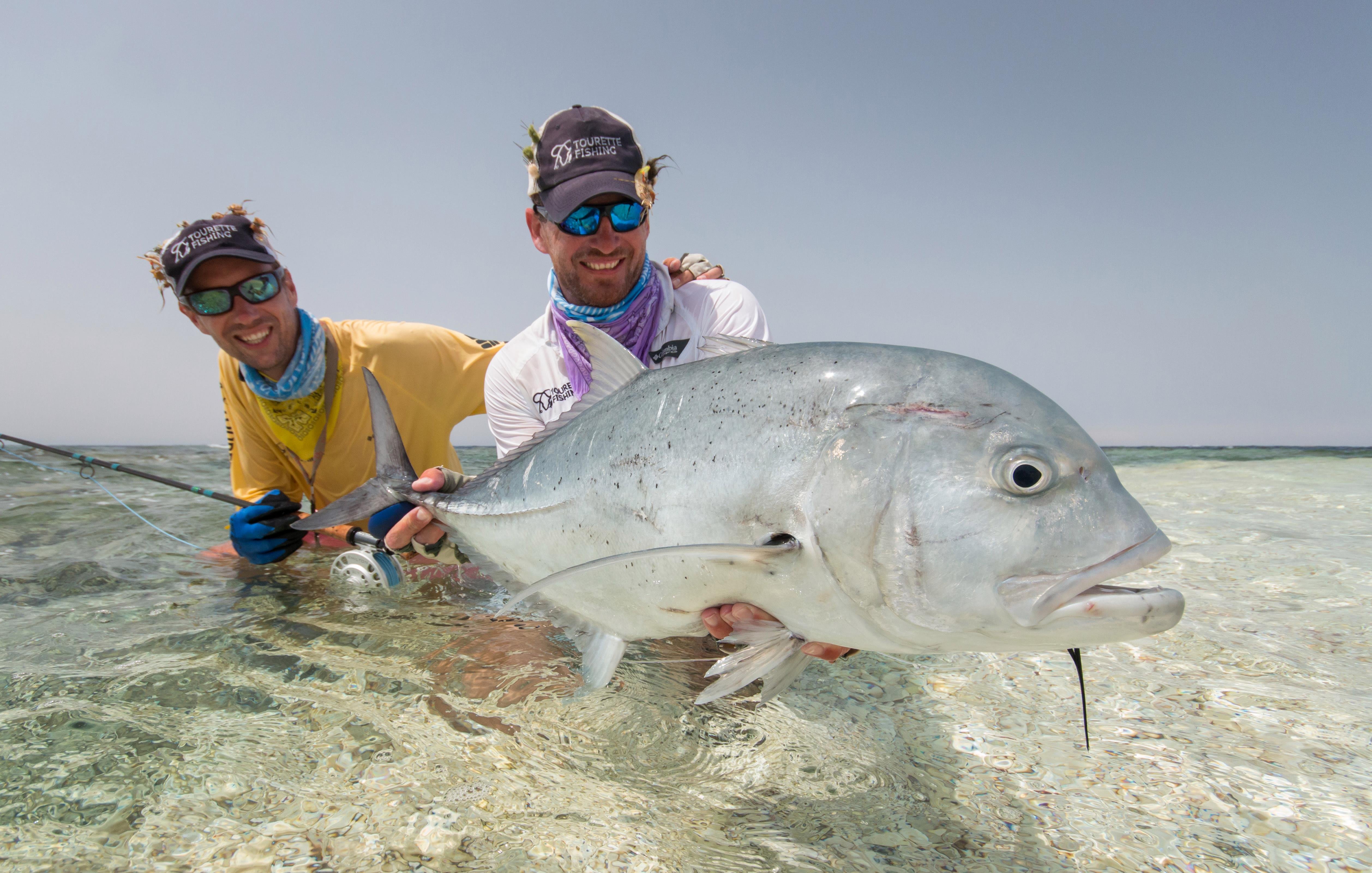
Tourette Fishing (named for the founders' compulsion to the nth degree for fishing) specializes in developing and managing boutique fishing camps in Africa’s most pristine wilderness areas. They work on a strict catch-and-release/conservation basis and if you search any social media platform you will find some of the world’s foremost fly-fishers posing with impressive catches at Tourette’s venues.
Here’s an insight into the evolution from hands-on fishing guide, to businessman all the way back to fisherman.
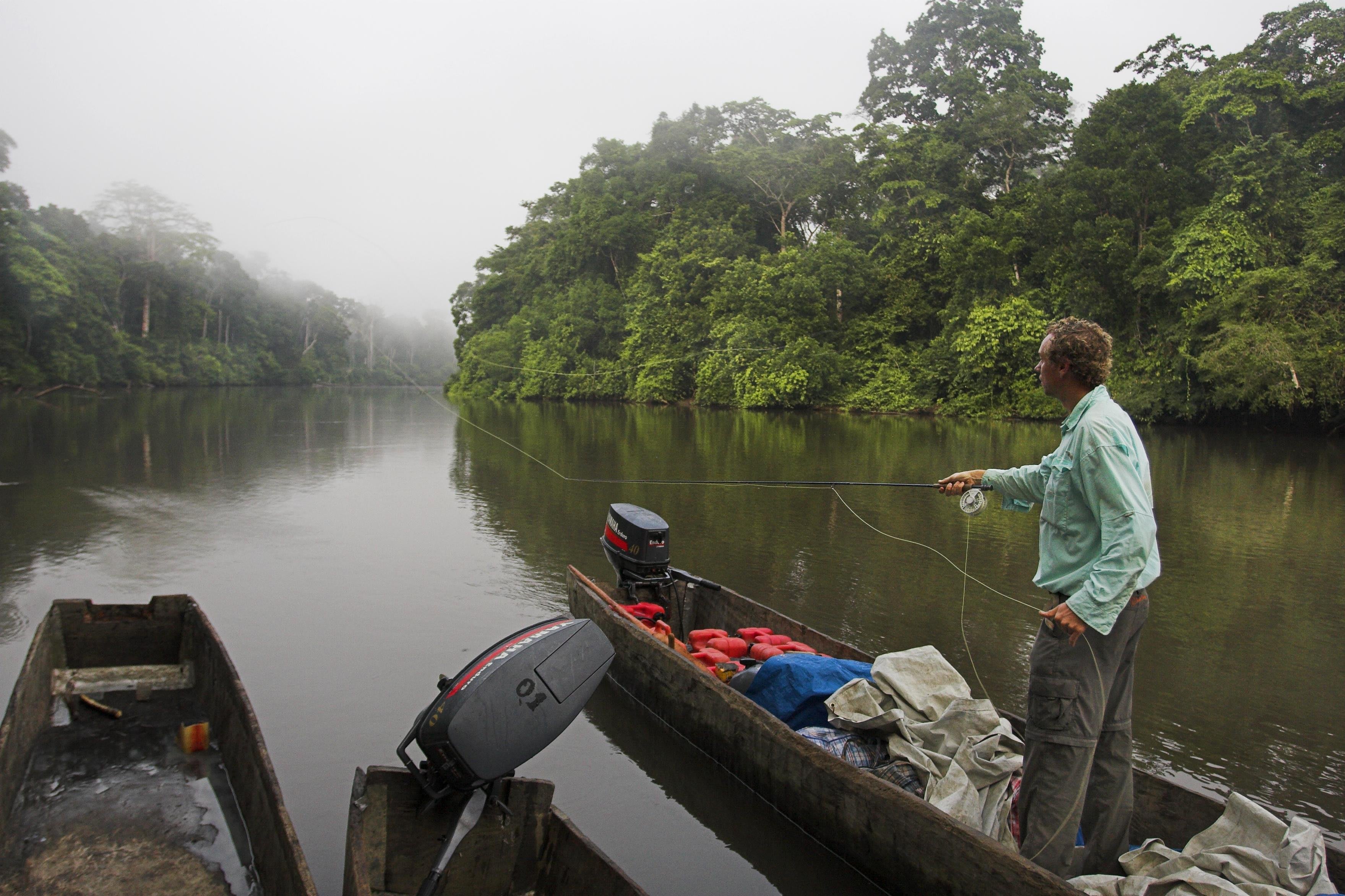
Prospecting some good looking Congalese water
© Edward Truter/Tourette Fishing
“I started off guiding overland safaris for a Jozi-based outfit Drifters,” explains Tourette Fishing’s Keith Clover of how it all began for him. “That was after school, during a gap year. This continued through varsity,” he says.
It was after varsity only that he took his love for fly fishing and combined it with his guiding experience and the qualification he’d gained from working for Drifters.
Keith (l) & Rob Scott during an early Sudan recce
© Mark Murray/Tourette Fishing
The overland guiding unquestionably helped me gain a keen understanding of the guiding industry. The places it took me and the people I got to meet planted the seed for the ongoing appreciation and commitment I have for the industry. It also allowed me opportunity to visit and fish numerous really remote and pristine African fisheries (I always had my fly rods with me), which was another massive help when we started off.
“At the time – around 2004 – there were zero opportunities to become a fly fishing guide in Africa,” he says. “So along with Rob Scott (varsity friend, business partner and now brother-in-law), who also had a guiding background, we decided we would start our own bespoke fly fishing guiding business, focusing on unique and pristine African locations.”


Those formative years, much like any other business, was very much a case of hands-on guiding and living hand-to-mouth. “We had no set structure to our seasons, just guiding when and where we could,” he says.
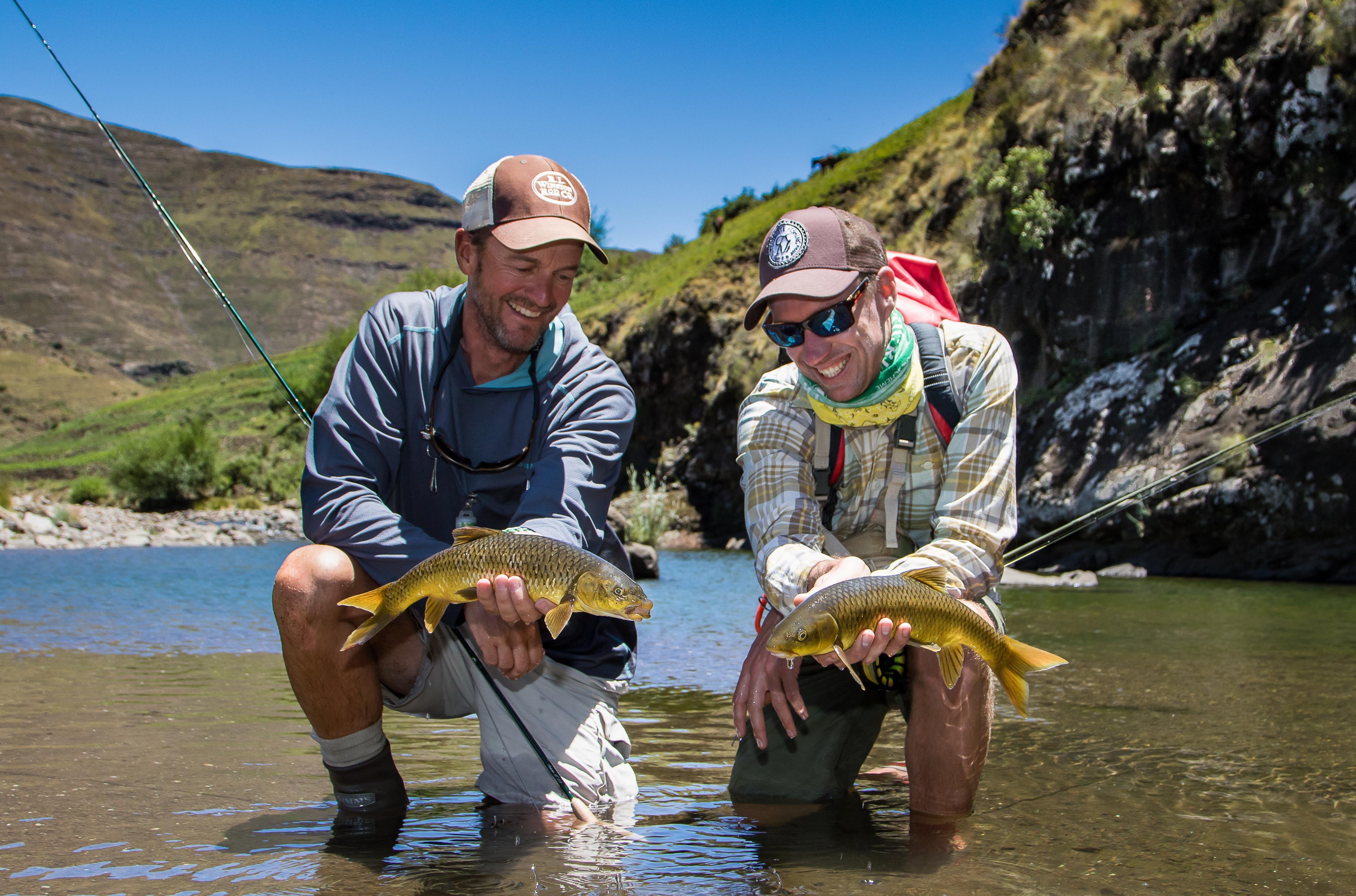
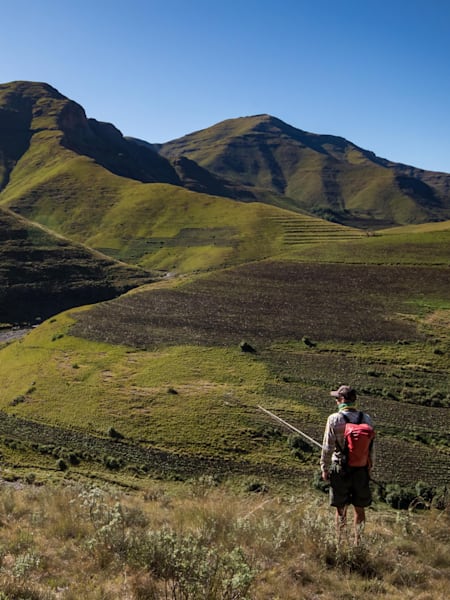
Smallmouth yellowfish in Lesotho
© Mark Murray/Tourette Fishing
Things began to change for Tourette Fishing around 2006/7. “We started developing our own portfolio of unique fly fishing destinations. The guiding work become far more structured around prime seasons, and the time in-between the various seasons was dedicated to getting us much admin and marketing done as possible,” he says.
As the portfolio of destinations grew, it became impossible for Keith and Rob to guide full-time and manage the business side of things. “The shift from fly fishing guides to office jockeys was unavoidable,” muses Keith. Now however, more than a decade down the line things have nearly come full circle. “Fortunately we are in a position – with a world class guides team and solid office staff – that we can begin to enjoy getting out to location more once again,” he says.
What this would mean is guiding a couple of weeks each season for select clients at prime venues, but also being able to focus on the conservation and community side of the operations, which is very important to both of them.
“Community and conservation are key aspects in all our areas of operation,” Keith says, outlining how Tourette’s primary motivating factor to stay in this business is to use their passion for fly fishing to protect wild and pristine waterways and wilderness. “This goes hand-in-hand with community benefaction. We need local inhabitants to realise the value of their natural resources. The fisheries we work on, have to be worth more to the community in a pristine state, than the short terms gains achieved by over utilisation.”
I think fly fisherman need to realize they have a great responsibility to the environment and communities they interact with when out fly fishing.
“We are therefore very focused on using fly fishing tourism to set up community enrichment projects, skills development programmes, fund anti-poaching teams, increase employment, and contribute to local education in areas of operation.”
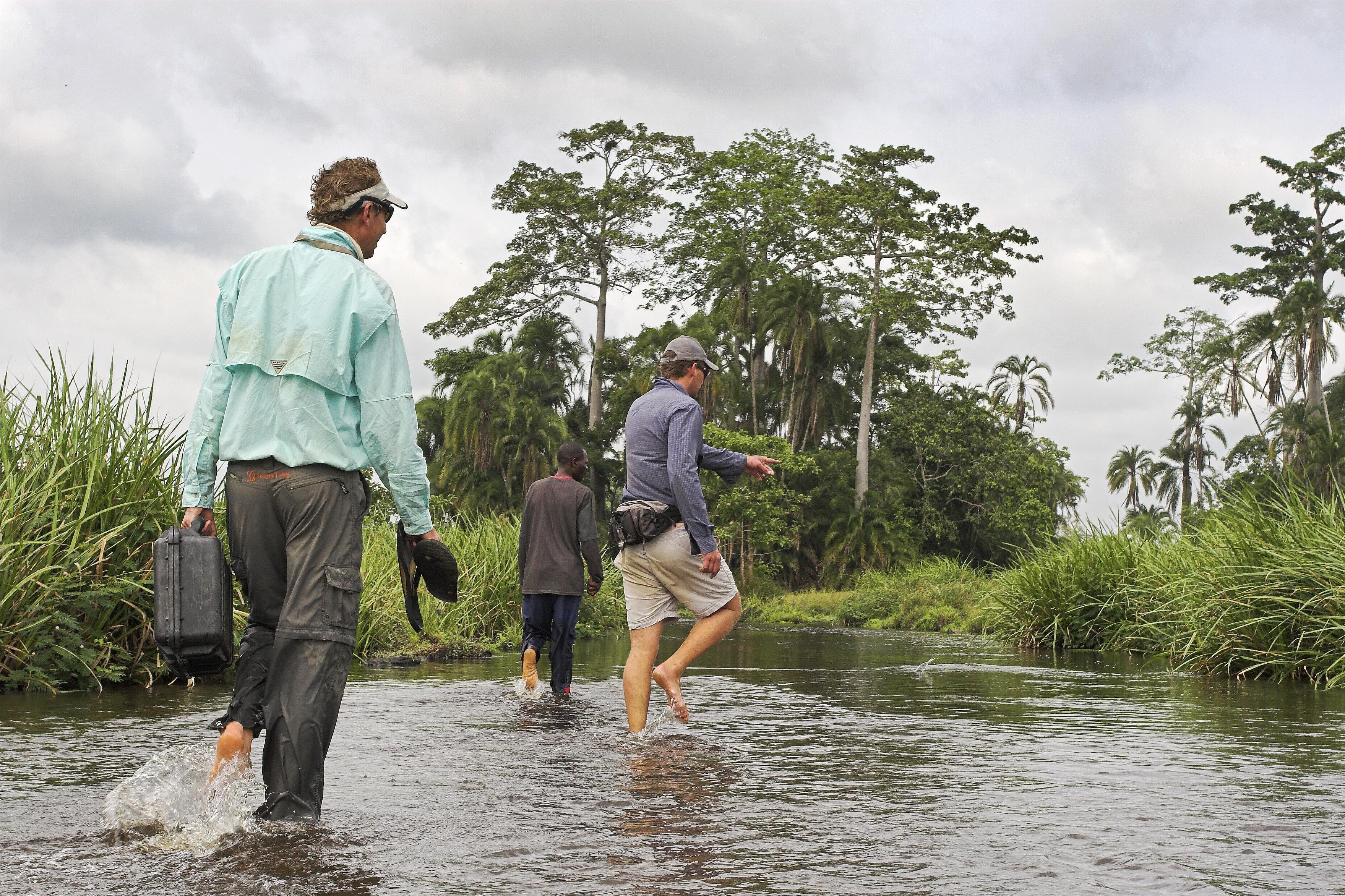
Congo exploration
© Edward Truter/Tourette Fishing
From the Makhangoa Community Camp in Lesotho, to remote rivers in Tanzania, The Nubian Flats of Sudan and Sette Cama in Gabon Tourette have a pioneered some remote destinations, and they’re not about to stop.
According to Keith a number of boxes need to be ticked for new destinations.
“The aim is to end up with a location, where the whole is greater than the sum of the parts. I could write a book on this, but a few vital things we look for when scouting a new location are: prime and pristine fishing (the product), pristine environment (or one which we think can be rehabilitated to such a point with the support of fly-fishing based tourism), small local communities with who we can work with (multiple communities and large populations are often a stumbling block to the types of operation we set up as the bureaucracy and difficulty in making decisions makes near impossible to implement and set up structures), supportive governments and or tourism/environment ministries, accessibility in relation to the product (i.e. what it will cost to initially develop the destination, and then get fly fishing tourist into camp, in relation to the species/product you are offering).”
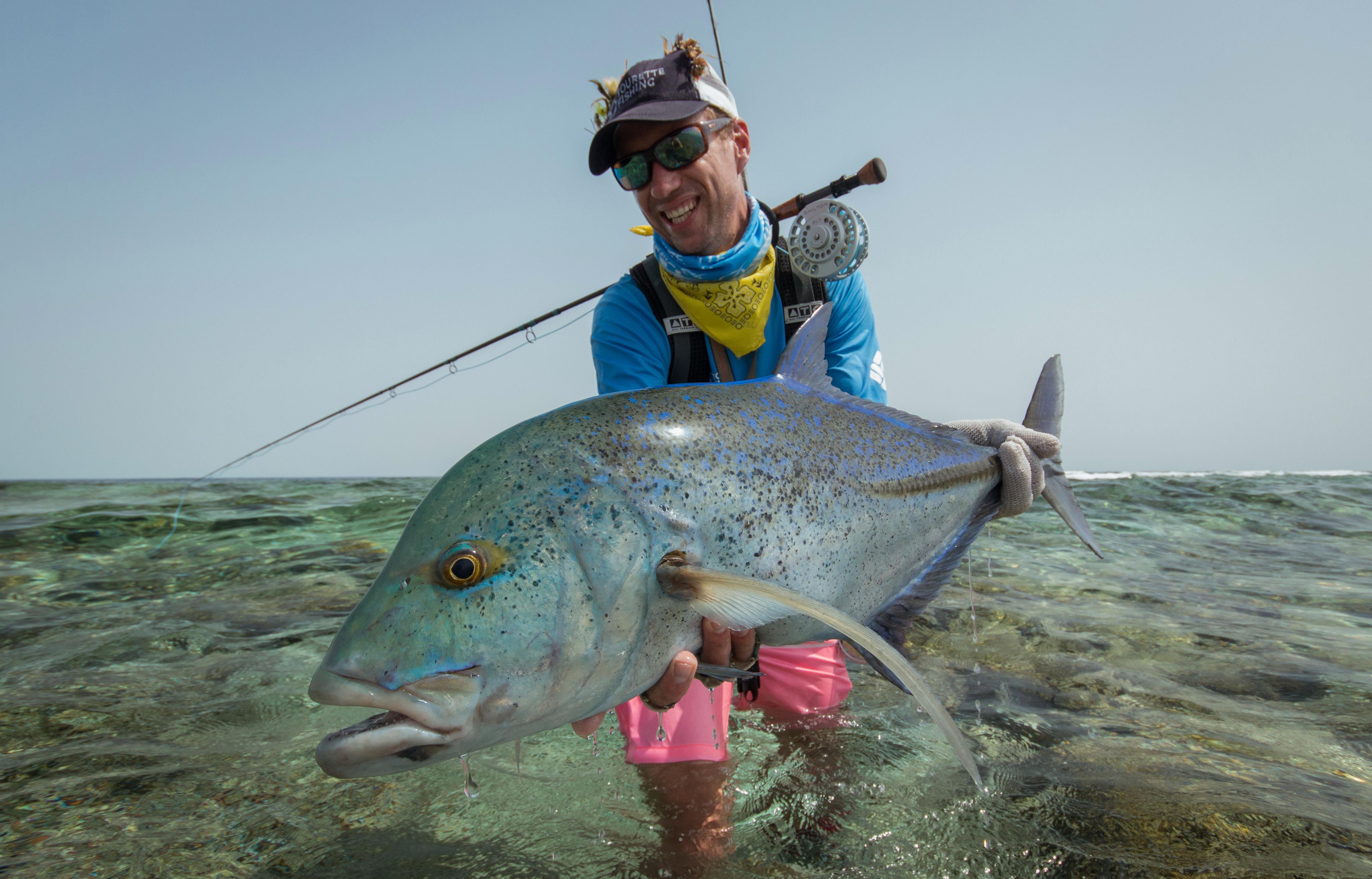
Guide's day off
© Mark Murray/Tourette Fishing
The obvious last question then is ‘where to next?’
“Well, Africa is a BIG place. We have a handful of projects on the burners at the moment, and as always, we will continue to work at these. We have to choose our battles wisely though, allocating resources (financial, time and manpower) to areas and projects we feel we can make a significant and sustainable difference.”